Cinema Marketing & Growth
How to Increase Footfall in Cinema Halls in India: 12 Practical Strategies for Cinema Owners
A practical guide to attracting local audiences, strengthening weekday attendance and encouraging repeat visits.
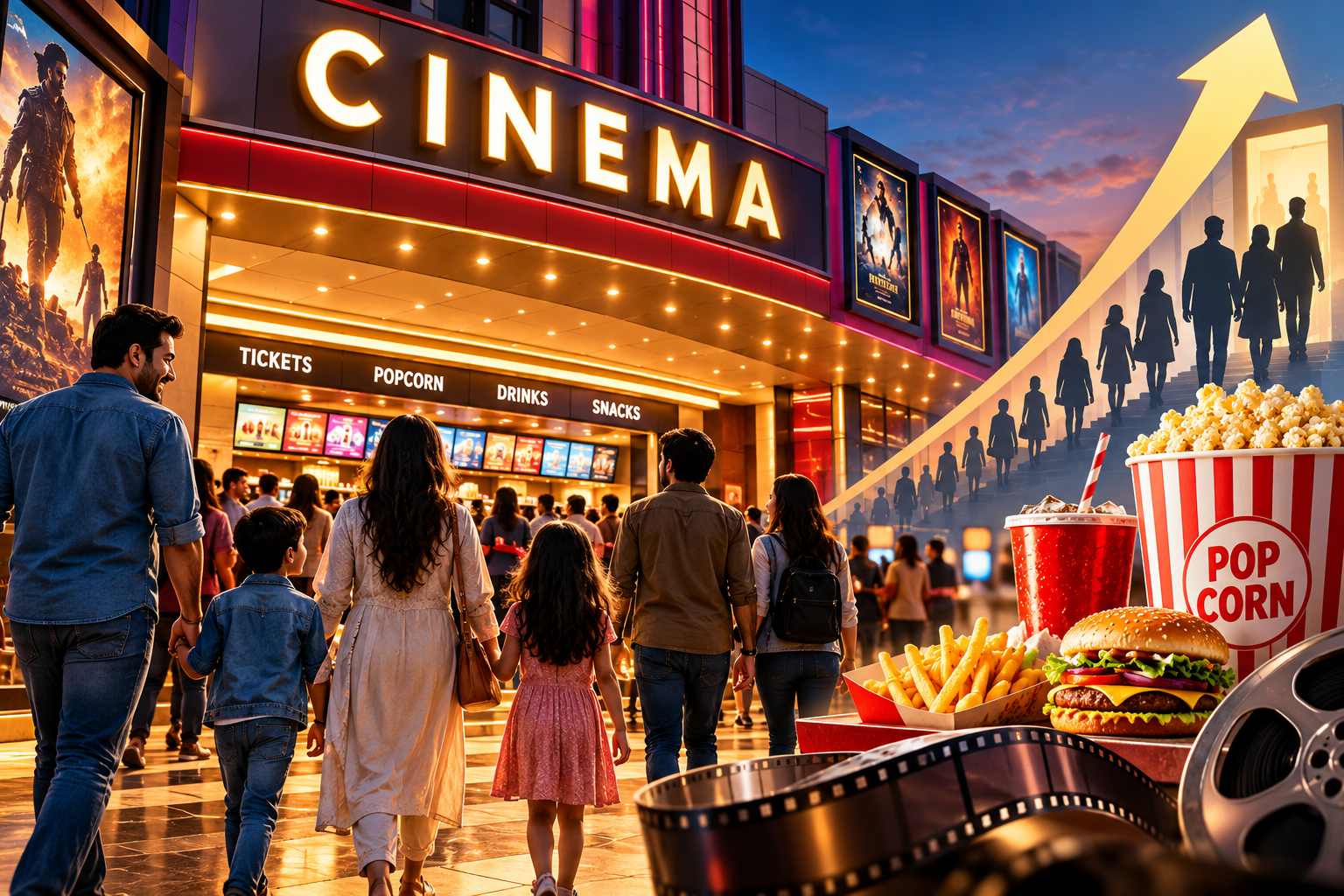
India’s love for cinema remains deeply rooted in its culture. From eagerly awaited blockbusters to regional films that connect with local audiences, the big-screen experience continues to offer something distinctive.
Yet attracting audiences consistently is increasingly complex. OTT convenience, competing leisure choices, changing habits and fluctuating film performance all influence cinema attendance.
A successful weekend may bring full auditoriums, but what happens on a Tuesday afternoon? How can a cinema attract visitors between major releases, and turn occasional moviegoers into loyal customers?
The answer is to treat cinema marketing as an ongoing business activity, not just a campaign for a big film release. Here are twelve practical ways to improve local visibility, customer engagement and footfall.
1. Understand Your Local Audience Before Planning Promotions
Every cinema hall serves a different audience. A property near a college may attract students, while one in a residential area may rely on families. Regional film preferences, local festivals and travel convenience can also influence attendance.
Study ticket sales by film language, day, showtime and audience segment. Ask customers how they discovered your cinema and what would make them visit more often.
Practical example: If evening shows perform well but afternoon shows remain weak, test a focused afternoon promotion rather than discounting every ticket.
Key takeaway: Effective cinema marketing starts with understanding the people around your property.
2. Improve Your Cinema Hall’s Visibility on Google and Local Search
Potential customers often search for “cinema halls near me”, movie showtimes, parking or family-friendly facilities before booking. An accurate Google Business Profile and mobile-friendly website help them find useful information.
Review your address, opening hours, phone number, booking links, auditorium photos, amenities and customer reviews. Respond professionally to genuine feedback.
Practical example: A family comparing two nearby cinemas may choose the one with clearer directions, recent photos and easy access to tickets.
Key takeaway: Local search visibility helps your cinema appear when audiences are already planning an outing.
3. Start Movie Promotions Before the Release Weekend
Waiting until release day to begin promotion may mean customers have already selected another cinema. Build anticipation ahead of important releases using authorised film publicity material.
Create a sequence of coming-soon creatives, trailer announcements, advance-booking messages, showtime updates and opening-weekend reminders. Include a clear booking action in each post.
Practical example: Publish “Coming This Friday”, followed by “Advance Booking Open” and then “Your Weekend Movie Plan Starts Here”.
Key takeaway: Connect film excitement with the decision to book at your cinema.
4. Create Smart Promotions for Weekdays and Non-Peak Shows
Weak weekday occupancy can be a challenge, but blanket discounts may reduce revenue from shows that would have sold well anyway. Identify underperforming time slots and target those specifically.
Test selected weekday prices, student promotions, afternoon-show offers, family packages, group bookings or ticket-and-snack combinations. Evaluate the impact on ticket revenue, food sales and contribution after promotional costs.
Practical example: Compare four Tuesdays with a targeted afternoon offer against similar previous shows, accounting for film popularity.
Key takeaway: Aim to make underutilised shows commercially stronger, not merely cheaper.
5. Use Social Media to Promote the Cinema Experience, Not Just Movies
Film posters and schedules matter, but they rarely explain why someone should choose your venue. Showcase the cinema experience itself: seating, sound, lobby, refreshments, convenience and service.
Use authentic photos and short videos of the property, subject to customer privacy and filming permissions. Highlight seasonal décor, new facilities and useful visitor information.
Practical example: A 15-second “Your Weekend at Our Cinema” reel can show the lobby, refreshments and auditorium ambience.
Key takeaway: Film promotion builds interest in a movie; cinema branding builds preference for your venue.
6. Build an Opt-In WhatsApp Customer Engagement Strategy
WhatsApp can help cinemas maintain a relationship with interested customers, but frequent unsolicited messages can damage trust. Build a consent-based audience and respect applicable privacy requirements and WhatsApp messaging policies.
Offer useful weekly schedules, advance-booking alerts, relevant promotions and booking assistance. Keep messages brief and provide an appropriate opt-out method.
Practical example: Customers who subscribe to weekend updates can receive a Friday film lineup with a direct booking link.
Key takeaway: Permission-based communication supports repeat engagement without depending entirely on paid advertising.
7. Make Food and Beverage Offers Part of Your Footfall Strategy
Food and beverage sales contribute to cinema economics and can make an outing feel more attractive. The best offers consider customer preferences, preparation costs, margins and counter capacity.
Explore ticket-and-popcorn combinations, family sharing packs, student combos, seasonal snacks or offers linked to selected showtimes.
Practical example: A Sunday family offer could pair selected tickets with a shareable refreshment package, provided the economics work.
Key takeaway: Design F&B offers to improve the customer experience and total contribution, not just discount transactions.
8. Connect Cinema Promotions with Local Festivals and Regional Culture
Local relevance matters. Audiences in different Indian regions respond to different languages, celebrations, films and community traditions. A generic national campaign may miss those nuances.
Consider regional-language film releases, festive outings, school holidays, local cultural events and seasonal family campaigns. Use authentic language and locally appropriate creative communication.
Practical example: A cinema in Maharashtra could promote an important Marathi release with locally relevant Marathi-language creatives.
Key takeaway: Community understanding can make a cinema more familiar and meaningful to local audiences.
9. Build Partnerships with Colleges, Companies and Local Communities
Audience acquisition does not have to rely only on digital advertising. Nearby colleges, offices, residential communities and local organisations can create opportunities for organised visits.
Explore suitable group bookings, employee outings, special screenings and partnerships, subject to cinema policies, film rights and commercial feasibility.
Practical example: A cinema near a business district could approach employers about employee entertainment outings or private group bookings.
Key takeaway: Local partnerships introduce potential customers beyond routine walk-ins.
10. Give Customers a Reason to Visit Again
A first visit creates an opportunity for a lasting relationship. Repeat-visit initiatives can help keep your cinema in customers’ consideration between major releases.
Depending on ticketing capabilities, explore simple repeat-visit rewards, birthday-month benefits, membership offers or early information about releases, with appropriate customer consent.
Practical example: Test a clearly explained reward after a specified number of eligible visits, and measure participation and cost.
Key takeaway: Customer retention deserves as much attention as acquisition.
11. Improve the Complete Customer Experience — From Booking to Exit
Marketing can attract visitors, but the experience influences whether they return. Review every stage: discovering showtimes, booking, arrival, ticket verification, auditorium comfort, food service and exit.
Look for friction such as confusing signage, long queues, inconsistent housekeeping or unclear information. Some improvements require better routines and staff training rather than major investment.
Practical example: If customers repeatedly report interval-counter delays, improving service flow may do more for loyalty than another advertising campaign.
Key takeaway: Marketing creates expectations; operations must fulfil them.
12. Measure What Works and Invest More in Successful Campaigns
Publishing posts or running advertisements is not the same as growing business. Track attendance by show, seat occupancy, ticket revenue, average ticket value, F&B spending, repeat visits where measurable, campaign response and promotional cost.
Compare similar periods and account for film popularity, holidays and competing releases. Look at contribution and incremental performance, not just raw visitor counts.
Practical example: A weekday offer that increases tickets sold but reduces total contribution may need to be redesigned.
Key takeaway: Sustainable cinema marketing is a process of testing, measuring and improving.
Why Consistent Cinema Marketing Matters
Cinema performance depends on film content, location, competition, ticket pricing and customer experience. Owners cannot control every factor, but they can improve how their venue is positioned and how consistently it communicates with nearby audiences.
A structured approach combines local branding, digital visibility, relevant promotions, customer engagement and measurement. Over time, these activities can help a cinema become a familiar entertainment destination in its community.
For a related perspective, read our first article: How Independent Cinemas Can Compete with National Multiplex Chains in India.
Frequently Asked Questions
How can cinema halls increase footfall during weekdays?
Target weaker showtimes with measured weekday promotions, student offers, selected ticket-and-snack combinations, group bookings and relevant local marketing.
What is the most cost-effective marketing strategy for a small cinema hall?
Start with accurate Google Business Profile information, useful local social content, a strong customer experience and consent-based audience communication. Results vary by location.
Can social media marketing help increase cinema attendance?
Yes. Social media can improve awareness of a cinema and its offers. Track booking activity, campaign codes or other available measures to assess results.
How important are food and beverage offers in cinema marketing?
Well-designed F&B combinations can improve the perceived value of a visit and support revenue, provided product margins and operating costs are considered.
Should cinema halls hire a specialised cinema marketing agency?
Specialised support may be useful for consistent creative production, local campaigns, digital promotion and audience engagement when internal resources are limited.
Looking to Grow Your Cinema Hall’s Footfall?
Every cinema has its own audience, challenges and opportunities. At Magic Advt and Mkt., we support cinema businesses through branding, creative communication, social media marketing, digital promotions and customer engagement.
Explore our marketing services for cinema businesses or connect with our team to discuss your requirements.
Enquire About Cinema Marketing →Have a Question or Insight?
Are you a cinema owner, theatre operator or marketing professional? We welcome relevant questions, practical insights and business enquiries.
Share your thoughts with our team →The strategies above are general business recommendations. Results vary with location, film performance, costs and execution; assess commercial feasibility before implementation.